Asocolflores, OPAIN, and Avianca Cargo celebrate the success of the 2026 season, thanks to the joint efforts of growers, authorities, and the logistics chain.
Bogotá, February 2026. Colombia’s leadership as the world’s second-largest flower exporter continues to strengthen successfully during the Valentine’s Day season, one of the most important periods for the sector in terms of export volume and employment generation.
During Valentine’s Day 2025, Colombia exported more than 65,000 tons (by air and sea), mainly to the United States. This performance is supported by the sector’s structural commitment to sustainability, a key factor in accessing and maintaining presence in more than one hundred international markets reached by Flowers of Colombia. Through the Florverde Sustainable Flowers certification, the Colombian floriculture industry ensures that its production meets demanding international standards and remains a strategic sector for the country, not only for its contribution to exports but also for its social and environmental impact.
“Today, we generate nearly 240,000 formal jobs and, during the Valentine’s Day season, we create around 20,000 additional temporary jobs, strengthening rural employment and contributing to the well-being of thousands of families in producing regions,” said Augusto Solano, President of Asocolflores.
This performance has also consolidated Colombia as a global benchmark in agro-export logistics, demonstrating how collective efforts and inter-institutional cooperation project a responsible operation throughout the entire value chain, positioning Colombia as a reliable, sustainable, and competitive supplier in the global flower trade.
The Plan Pétalo, created in 2006, is a strategic platform for knowledge exchange and the adoption of best practices. It has become an example of public-private and industry-wide coordination, enabling the floriculture sector to operate efficiently at every stage of export: from farms and consolidation centers to the country’s airports and seaports. This mechanism ensures cargo mobility and the prevention of illicit activities, strengthening the confidence of international clients and the prestige of the “Flowers of Colombia” brand.
“Plan Pétalo is not just a logistics strategy; it is the backbone of the sector during critical seasons. Thanks to it, floriculture stakeholders coordinate efforts with the government, authorities, transporters, suppliers, logistics operators, and marketers to ensure that Flowers of Colombia reach nearly 100 countries under conditions of safety, quality, and timeliness,” said Augusto Solano, President of Asocolflores.
“For the 2026 Valentine’s Day season, we strengthened our operation to provide the capacity, reliability, and consistency our customers depend on during the industry’s most critical peak. Today, one out of every three Colombian flowers exported to the United States was transported by Avianca Cargo, reaffirming our leadership after moving a total of 19,000 tons of flowers. This result is also made possible thanks to coordinated work with our strategic partners across the entire logistics chain,” said Diogo Elias, CEO of Avianca Cargo.
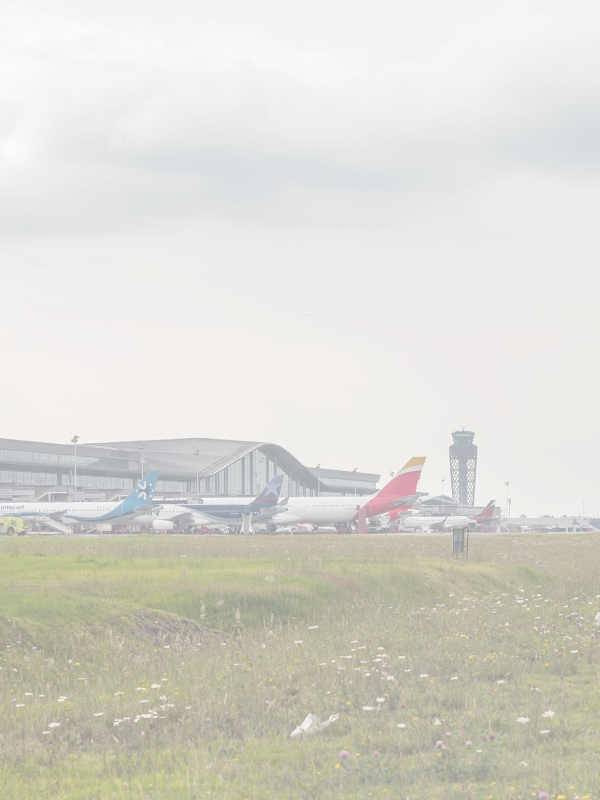
“At El Dorado, we prepared to respond to one of the most demanding seasons for the country’s air cargo. We have the infrastructure, capacity, and a specialized team available 24/7, allowing us to receive more than 650 vehicles carrying flowers and ensure that nearly 70,000 tons are transported safely, efficiently, and on time to key international markets, especially the United States, where Miami is the main destination,” said William Rojas, Director of the Cargo Terminal.
The Valentine’s Day season reaffirms the Colombian floriculture sector’s ability to coordinate efforts across the entire value chain, build alliances with key stakeholders to strengthen its presence in international markets, and generate a positive impact on employment and rural development.